
Melbourne, FL Water Filtration: 5 Signs You Need New Cartridges
Metallic taste, cloudy glasses, or a drop in water pressure? These are classic clues that your home needs water filter cartridge replacement. In this guide, our plumbing pros explain how to spot worn cartridges before they affect your water, appliances, or health. We cover whole‑house and point‑of‑use systems and share when to DIY, when to call, and how to save with a free water quality test.
Why Cartridge Health Matters
A clean water filter cartridge protects taste, removes contaminants, and keeps plumbing and appliances running right. When a cartridge clogs, pressure falls, the refrigerator works harder, and sediment can sneak past seals. In the Space Coast, many homes see hardness minerals, iron, and sulfur in well or municipal water. These load a filter faster than expected, so spotting the signs is key.
Pro fact: Reverse osmosis can remove up to 99% of dissolved solids, including lead and bacteria, but only if pre‑ and post‑filters are changed on schedule. Carbon filters reduce chlorine, VOCs, and odors so your water tastes clean and fresh.
Quick benefits of timely replacement
- Steadier water pressure at faucets and showers.
- Better taste and smell from every tap.
- Longer life for water heaters, dishwashers, and ice makers.
- Lower risk of bacteria growth in stagnant, overused filter media.
Pro tip: If family size or usage grew, shorten your filter change interval by 20 to 30 percent.
Sign 1: Water Pressure Drops or Flow Pulses
A sudden dip at multiple fixtures often points to a clogged whole‑house cartridge. Sediment and scale plug the filter media and increase resistance. You might notice slow showers, washing machine fill delays, or your RO system delivering a weak trickle.
How to confirm:
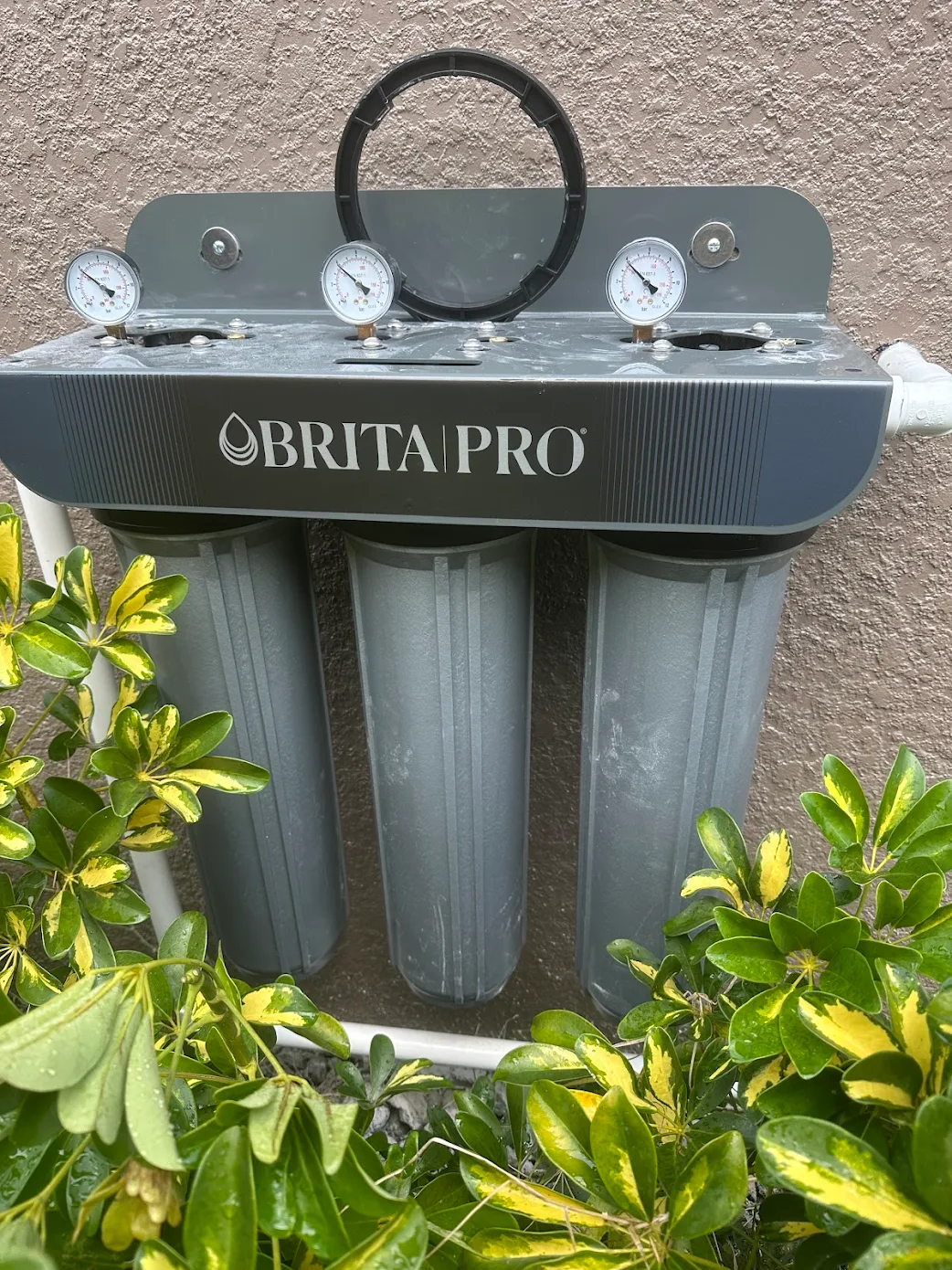
- Check the pressure before and after the filter if you have gauges. A large difference means restriction.
- Open a faucet and listen for air spurts or pulsing. That can happen when a filter is saturated.
- Compare to an outdoor spigot that bypasses the filter, if available.
If your home sits near the Indian River Lagoon or draws from a private well, seasonal algae blooms and storm runoff can increase particulates. Your filter will load faster right after heavy rains.
Sign 2: Taste, Odor, or Cloudiness Returns
When chlorine taste, earthy odors, or musty notes return, your carbon cartridge is likely exhausted. Cloudy water or visible particles also indicate breakthrough. Shower filters can show this as dry skin or chlorine smell returning. At the kitchen sink, coffee may taste bitter again.
How to confirm:
- Fill a clear glass and hold it to the light. Persistent haze points to fines or air from a spent filter.
- Smell the water after it sits 30 seconds. Chlorine or sulfur notes are red flags.
- If ice tastes off, your fridge filter is overdue.
Pro tip: Always compare filtered and unfiltered taps. If both taste off, request a water quality test to rule out source changes.
Sign 3: Appliance Scale or Spotting Comes Back
Filters and conditioners protect appliances. If you see white spots on glassware, scale at the dishwasher element, or a ring at faucets, your pre‑filter may be letting hardness or sediment slip by. In hard water pockets of Brevard County, minerals can crust aerators within weeks when cartridges are overdue.
How to confirm:
- Inspect faucet aerators and showerheads for new white buildup.
- Open the sediment housing if it is transparent. A brown or gray filter means it is at end of life.
- Look for cloudy kettle water or flakes in the bottom of pots.
Left unchecked, scale forces your water heater to burn more energy and shortens appliance life.
Sign 4: More Frequent RO Tank Refills or Short Draws
Reverse osmosis systems rely on sediment and carbon pre‑filters to protect the RO membrane, and a polishing filter after the membrane. If you notice the tank empties faster, takes longer to refill, or the first glass tastes fine but the second tastes flat, your cartridges may be due.
How to confirm:
- Time how long it takes the RO tank to refill after a full draw. Longer refill times suggest flow restriction.
- Check for a noticeable drop in TDS with a handheld meter. If TDS rises year over year, change pre‑filters and test the membrane.
- Inspect the pre‑filter change date on the housing. Most homes need 6 to 12 months, but high usage can be 3 to 6 months.
Pro fact: Installing a whole‑house RO includes a pre‑filter, high‑pressure pump, and post‑filter. A storage tank may be added to stabilize flow. Each stage needs the right service interval to protect the membrane.
Sign 5: Filters Look Discolored or Slimy at Change Time
When you open the housing and find a dark, rusty, or slimy cartridge, that is a sign the media is beyond capacity or biofilm has developed. UV or chlorinator options can control bacteria in problem water. Without them, a starved carbon filter can become a growth site.
How to confirm:
- Track the months in service. If slime appears early, add UV treatment or adjust intervals.
- If your chlorinator salt level is low, restore it and retest.
- Schedule a professional water test to identify iron, sulfur, or bacteria that overload your filter.
Never reuse a questionable filter. Replace and retest.
How Often Should You Replace Water Filter Cartridges?
Replacement timing depends on water quality, family size, and filter type.
Typical ranges:
- Sediment cartridges: 3 to 6 months.
- Carbon block or GAC: 6 to 12 months.
- Refrigerator or icemaker filters: 6 months.
- RO pre‑filters: 6 to 12 months. RO post‑filter: 12 months. RO membrane: 2 to 5 years with proper pre‑filtration.
- Shower filters and point‑of‑use cartridges: 3 to 6 months.
High iron or heavy chlorine will shorten these intervals. If you run a large garden hose or fill a pool through the filter, replace sooner.
Pro tip: Write the install month on each cartridge with a marker. Set calendar reminders at 70 percent of the expected life to change early, not late.
Do You Need Testing Before You Replace?
Yes. Testing shapes the right media and schedule. We offer a Free Water Quality Test that checks for hardness, chlorine, iron, sulfur smell, and more. Results inform whether you need carbon, RO, UV, a chlorinator, a conditioner, or a mix. The wrong cartridge wastes money and does not fix the root cause.
Testing also sets a baseline. When you record taste, odor, and TDS before and after a change, you will notice declines faster next time.
DIY vs Pro Cartridge Replacement
Many homeowners can swap standard cartridges. Still, there are smart reasons to call a pro.
DIY is fine when:
- Housing is accessible and you have the right wrench and O‑rings.
- You know the exact cartridge size, micron rating, and media type.
- You can safely depressurize the system and sanitize the housing.
Call a pro when:
- You see leaks at the housing, valve, or unions.
- The system includes UV, RO, a chlorinator, or a whole‑house manifold that needs sanitizing.
- Pressure drops return quickly after changes. That may point to scaling upstream or a failed bypass.
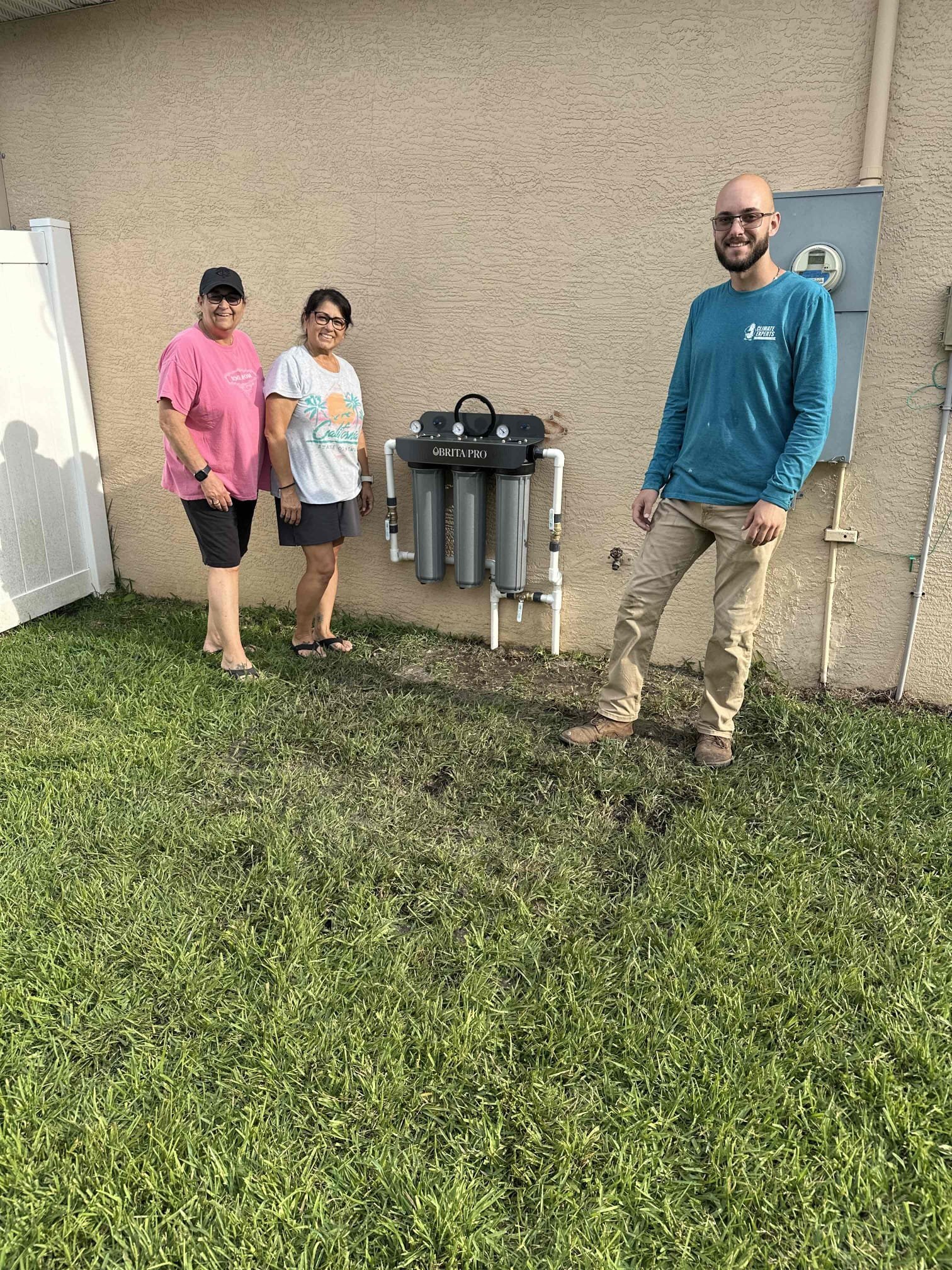
We handle carbon, RO, UV, magnetic and infrared filtration, and conditioners, and we support BRITA Pro whole‑home systems.
What Happens If You Wait Too Long?
Delaying replacement brings risk:
- Bacteria growth in saturated carbon.
- Breakthrough of chlorine, VOCs, or fine sediment.
- Scale on water heaters and dishwasher spray arms.
- Wasted energy from restricted flow and longer appliance cycles.
Environmental angle: A tuned filtration setup reduces bottled water use. Fresh cartridges keep that promise and protect your appliances.
Choosing the Right Cartridge for Your System
Match media to your water issues.
- Sediment first. Use a pleated or spun poly cartridge sized to trap sand, silt, and rust without choking flow.
- Carbon next. Carbon block for fine taste and odor polishing. GAC for higher flow and chlorine knockdown.
- Specialty stages. Add KDF for chlorine and heavy metals, UV for pathogens, or a chlorinator where bacteria, iron, or sulfur are present.
- Reverse osmosis. Pair with the right pre‑filters and consider a storage tank for stable pressure.
Pro tip: Do not oversize micron ratings. Going too fine can tank your pressure and shorten life. Let staged filtration do the work.
Maintenance Plan That Pays You Back
To keep your whole‑house system at peak, schedule routine service. Our plans include regular filter changes, system checks, and bundled plumbing care like water heater maintenance. Members receive priority service, faster response, an annual plumbing safety check, and a free water quality test.
Service visit checklist:
- Verify inlet and outlet pressures. Record deltas.
- Replace cartridges and sanitize housings.
- Inspect O‑rings and valves. Lube with food‑grade silicone.
- Test hardness, chlorine, iron, sulfur smell, and TDS.
- Review family usage and adjust intervals.
Hard facts that back our approach:
- We are A+ rated with the BBB with hundreds of 5‑star reviews.
- We hold Plumbing License CFC1432297 and operate with nationally trained, EPA‑certified technicians.
Local Insight: Space Coast Water Nuances
Homes from Palm Bay to Merritt Island often face hardness and iron staining, especially on well water. Beachside communities like Satellite Beach and Cocoa Beach can see higher chlorine presence. After summer storms, sediment spikes are common in Cocoa and Rockledge. These local trends help us tailor cartridge choice and replacement intervals for your neighborhood.
When a Cartridge Change Is Not Enough
If tastes, odors, or stains return fast even after replacement, consider system upgrades:
- Add a sediment pre‑filter or reduce micron rating to protect carbon.
- Install UV to neutralize bacteria and viruses at point of entry.
- Use a chlorinator for bacterial or sulfur issues, then carbon to polish.
- Step up to a whole‑house RO where dissolved solids are high and you want bottle‑quality water at every tap.
A correct stack of technologies prevents one overloaded cartridge from doing all the work.
Our End‑to‑End Process
We handle everything from assessing your water quality to installing the right system for your home. The flow is simple:
- Free in‑home water quality test and pressure check.
- System and cartridge review, including BRITA Pro whole‑home options.
- Transparent estimate with parts, labor, and maintenance schedule.
- Professional installation, leak test, and homeowner training.
- Ongoing maintenance with reminders and priority support.
Pro tip: Keep a labeled bin with spare cartridges, O‑rings, and silicone grease. Store it near the main housing so changes take minutes, not hours.
Special Offers for Water Filtration
- Free Water Quality Test ($99 value). Expires 2026‑08‑05.
- Free Estimates and Easy Booking for Water Filtration. Call (321) 345‑3415. Expires 2026‑08‑05.
- Free In‑Home Tap Water Quality Assessment. Limited time.
Lock in your appointment now at https://climateexpertsac.com/ or call (321) 345‑3415. Mention “Free Water Quality Test” when you book to apply the offer.
Frequently Asked Questions
How do I know which cartridge my system needs?
Check the brand, model, and housing size printed on the canister or manual. Match micron rating and media type, such as sediment or carbon block. When in doubt, bring the cartridge to our techs or schedule a free water quality test for an exact match.
How long do whole‑house carbon filters last?
Most homes see 6 to 12 months. High chlorine, iron, sulfur, or heavy water use can shorten that to 3 to 6 months. Track taste, odor, and pressure. When they decline, replace the cartridge and sanitize the housing.
Can I swap cartridges myself without leaks?
Yes, if you depressurize first, use the correct wrench, and replace O‑rings with food‑grade silicone lube. Hand‑tighten only. If housings are stuck, cracked, or valves leak, stop and call a licensed plumber.
Do I need UV or a chlorinator with my filter?
Not always. They help if tests show bacteria, iron, or sulfur. UV kills pathogens. A chlorinator treats problem water, then carbon polishes taste and odor. Testing guides the choice.
Will new cartridges fix low water pressure?
If the filter is clogged, yes. If pressure stays low after replacement, the cause could be a closed valve, scaling upstream, or a failing pressure regulator. A pro can test before and after the filter to confirm.
Conclusion
If you notice low pressure, bad taste, cloudiness, fast RO refills, or slimy filters, it is time for water filter cartridge replacement. Climate Experts serves Palm Bay, Melbourne, Merritt Island, Cocoa, and nearby cities with testing, installation, and maintenance. Call (321) 345‑3415 or book at https://climateexpertsac.com/. Ask for the Free Water Quality Test to save today and protect your home’s water.
Ready to Breathe Easy About Your Water?
Schedule your Free Water Quality Test now. Call (321) 345‑3415 or visit https://climateexpertsac.com/. Mention “Free Water Quality Test ($99 value)” before 2026‑08‑05 to claim your offer. We service Palm Bay, Melbourne, Merritt Island, Cocoa, Rockledge, Sebastian, Cocoa Beach, Satellite Beach, and Cape Canaveral.
Climate Experts Air, Plumbing & Electric is a local, family‑owned team serving the Space Coast. We offer full plumbing and water treatment, including testing, installation, and maintenance. We are A+ rated with the BBB, winners of Best of Central Florida People’s Choice, and authorized partners of BRITA Pro. Licenses: HVAC CAC1818633, Plumbing CFC1432297, Electric EC13014915. Call for 24/7 live support and long warranties.
Sources11
Source links open in a new tab.
- FREE WATER QUALITY TESTclimateexpertsac.com (opens in a new tab)
- FREE Water Quality Test ($99 value)climateexpertsac.com (opens in a new tab)
- FREE INSTANT ESTIMATEclimateexpertsac.com (opens in a new tab)
- Happy comment by David Gonzalezgoogle.com (opens in a new tab)
- Happy comment by Lynne Parkergoogle.com (opens in a new tab)
- Happy comment by michael rigneygoogle.com (opens in a new tab)
- Happy comment by Paul Owengoogle.com (opens in a new tab)
- Whole House Water Filter Installers in Melbourne, FLclimateexpertsac.com (opens in a new tab)
- Expert Drinking Water Testing Melbourne, FL - Climate Expertsclimateexpertsac.com (opens in a new tab)
- Plumbing Services in Melbourne, FLclimateexpertsac.com (opens in a new tab)
- FREE Plumbing Leak Detectionclimateexpertsac.com (opens in a new tab)