
Fellsmere AC Installation: Mini-Split DIY vs Pro Help
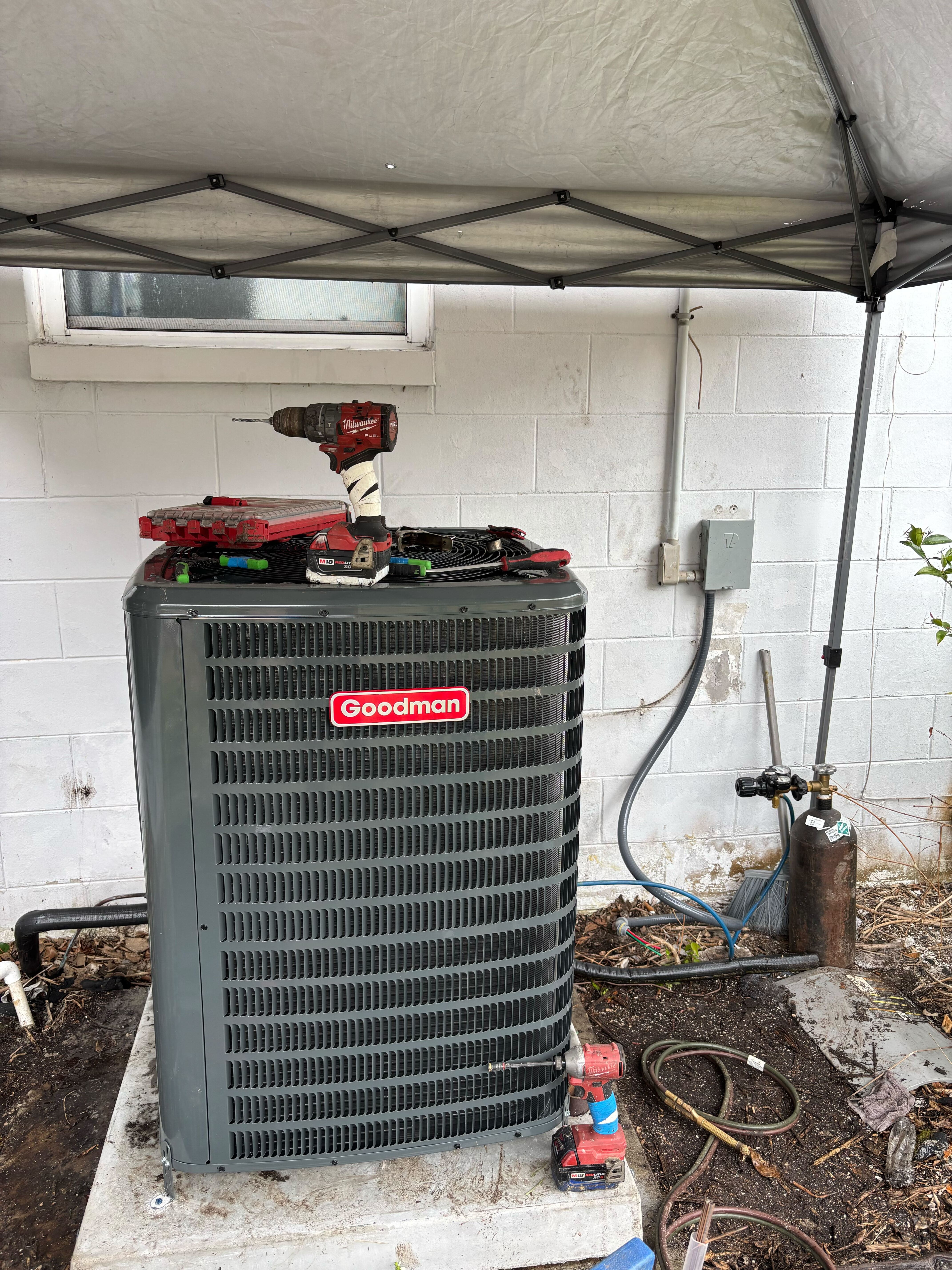
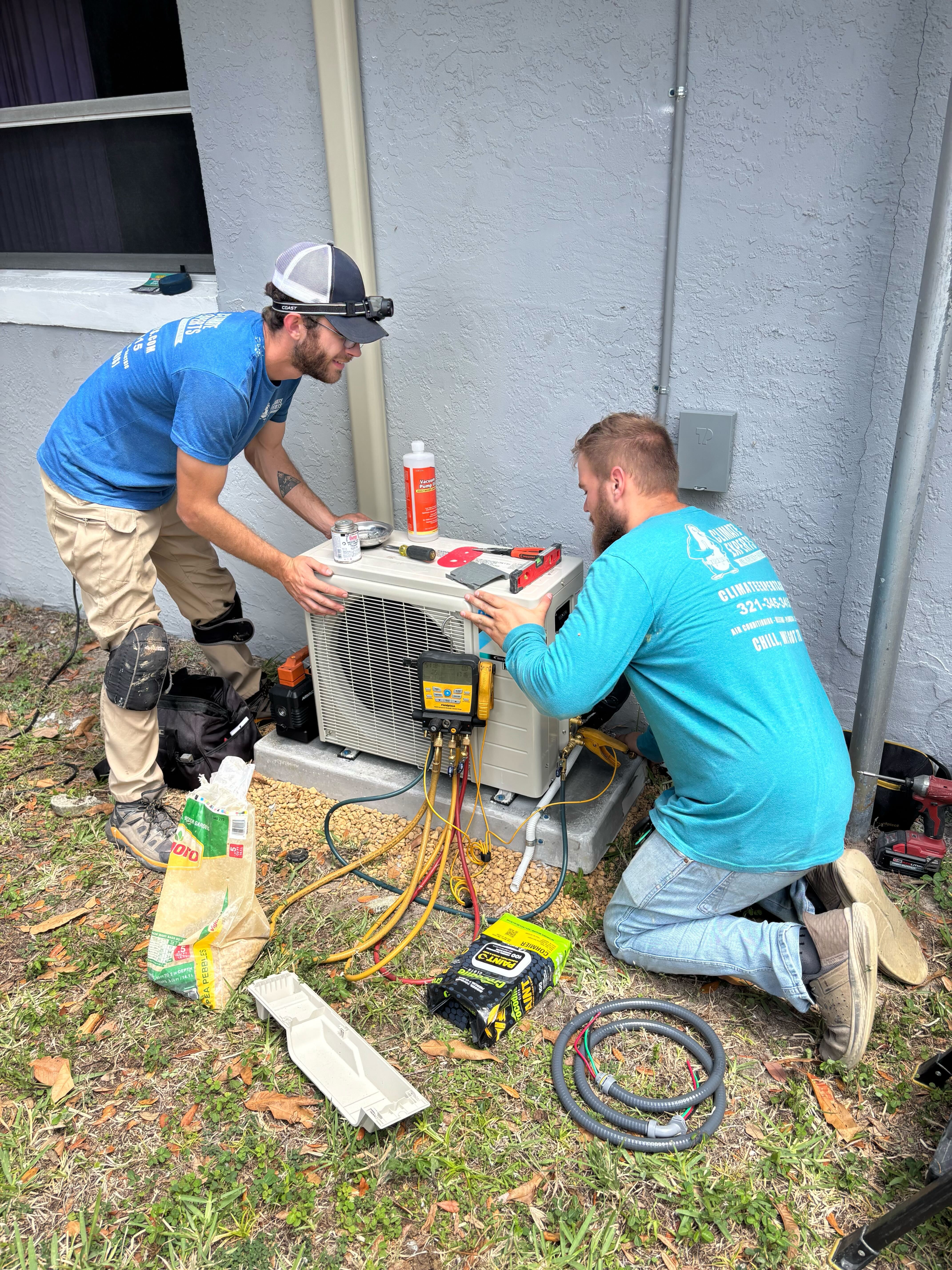
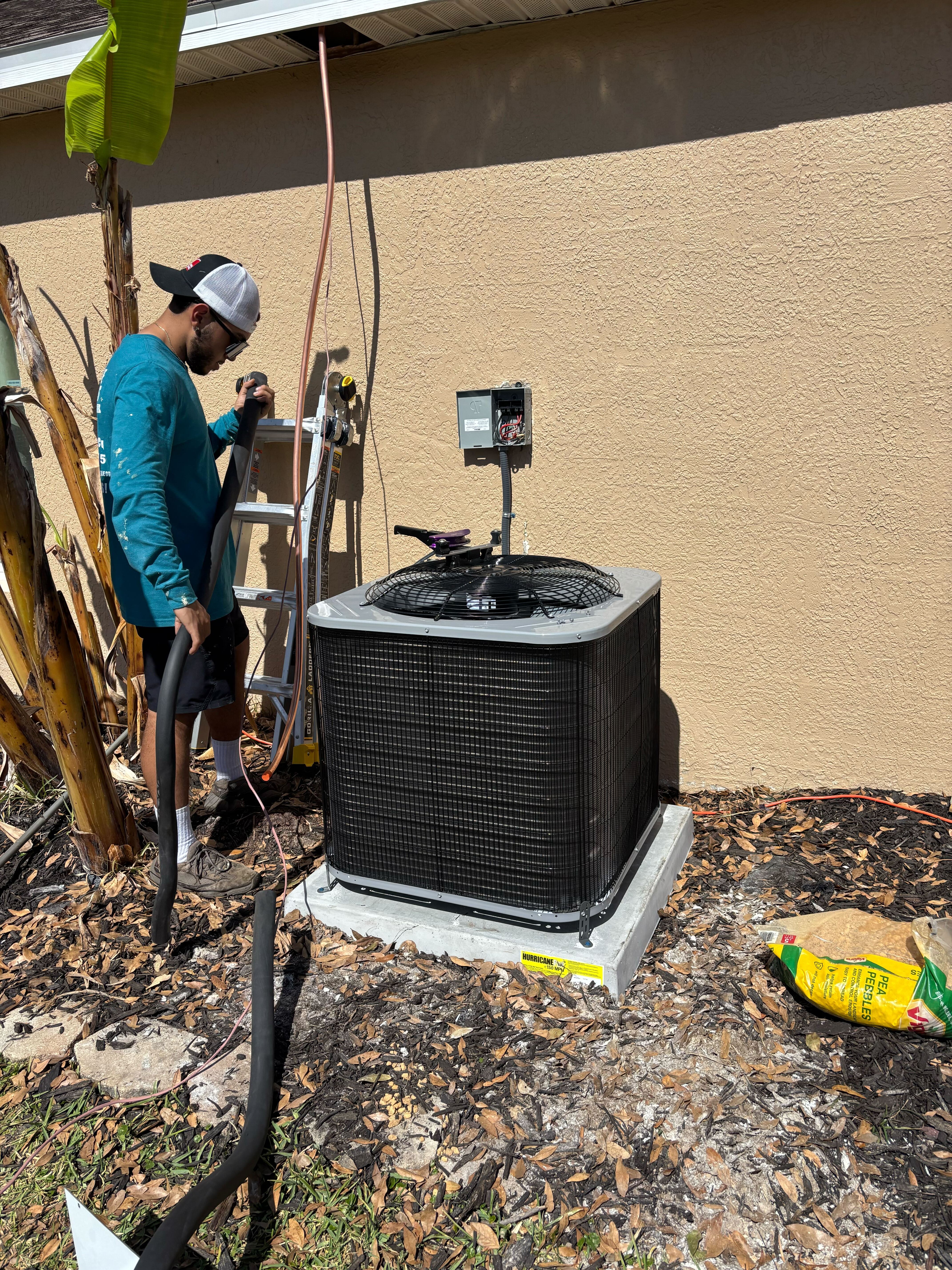
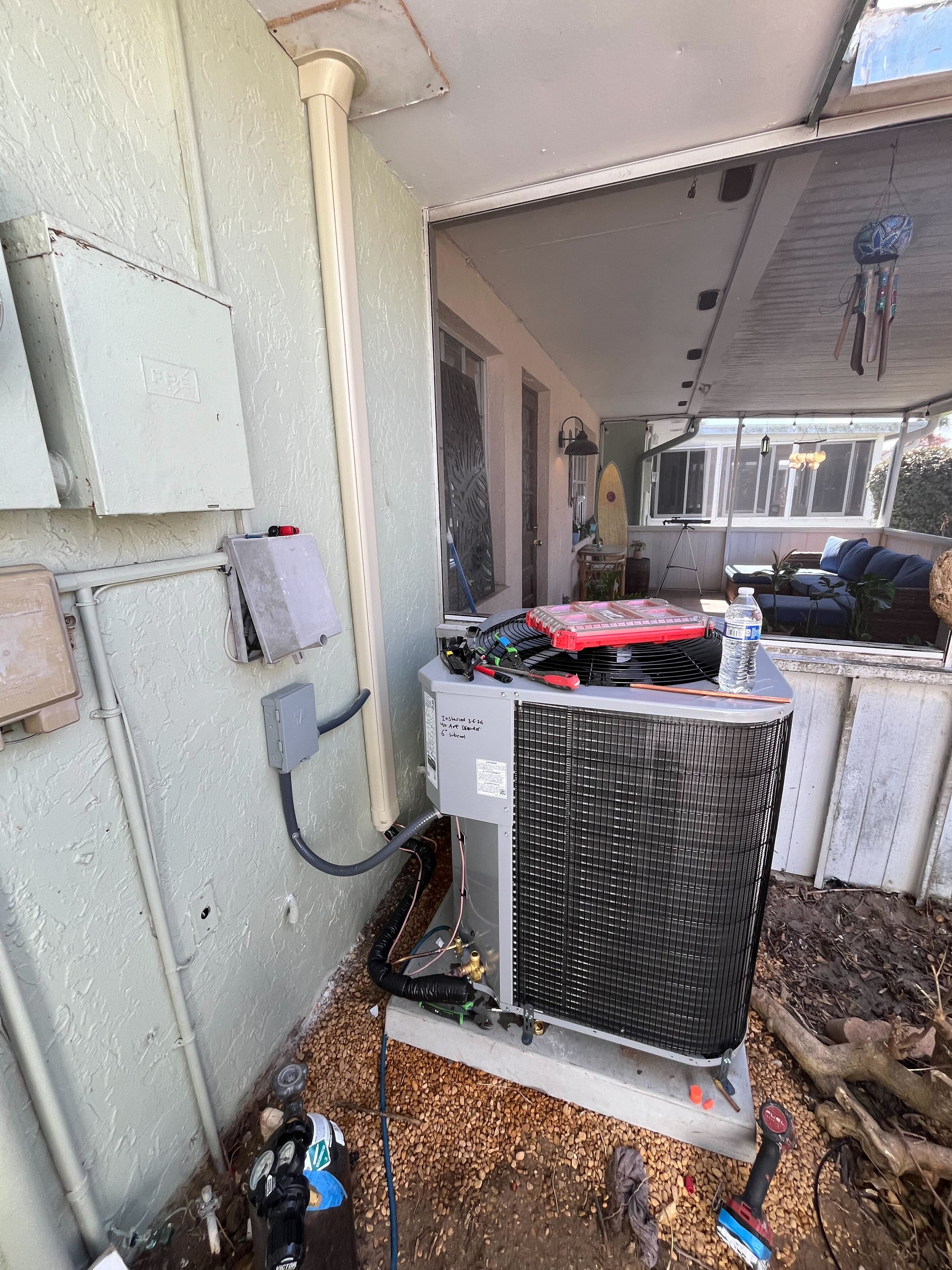
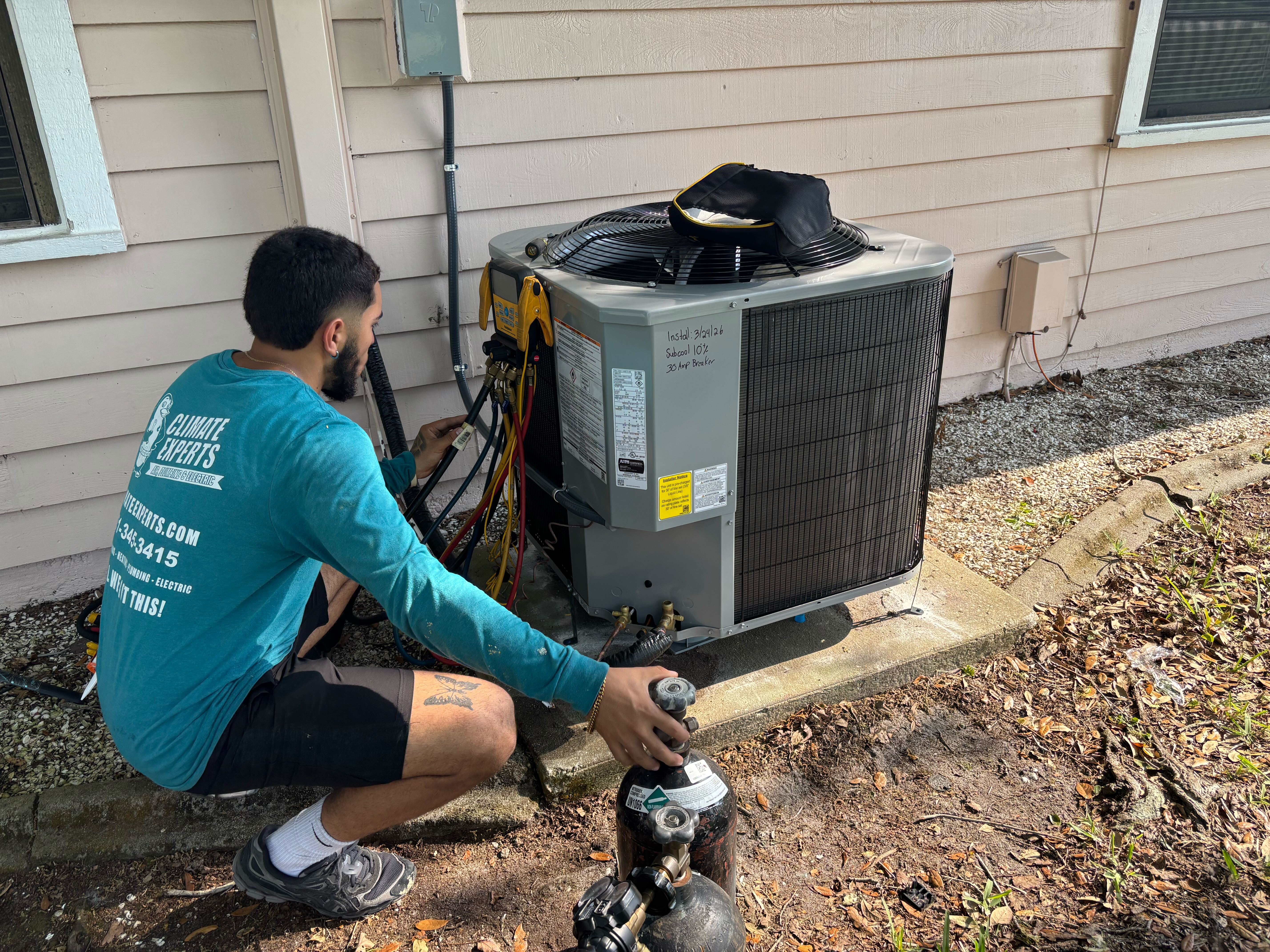
Thinking about mini split installation and wondering if you can DIY it or if you should hire a pro? In this guide, we break down the true costs, tools, safety, and warranty rules so you can choose with confidence. If you live in Melbourne, Palm Bay, Rockledge, or Cocoa Beach, we also share local permitting and coastal tips that save time and prevent headaches.
DIY vs Professional Mini Split: What’s Really at Stake
Mini split systems look simple, but installation is precision work. A professional handles design, load calculations, refrigerant piping, high-voltage wiring, condensate management, and start-up verification. A DIY installer takes on all of that plus permitting and inspections. The question is not only “Can I?” but “Should I if comfort, safety, and warranty matter?”
Here is the big picture comparison:
-
Design and sizing • Pros perform Manual J style load calculations, match line lengths, and plan placement for airflow and serviceability. • DIY often relies on square-foot rules that miss sun load, insulation, and room-by-room differences.
-
Refrigerant integrity • Pros nitrogen-pressure test, pull a deep vacuum to 500 microns or lower with a micron gauge, and verify no moisture remains. • DIY kits skip proper evacuation or use inadequate pumps. Moisture and non-condensables shorten compressor life.
-
Electrical and safety • Pros size breakers and wire to code, install a weatherproof disconnect, bond and ground properly, and follow manufacturer specs. • DIY errors risk nuisance trips, fire hazards, and code violations.
-
Warranty and support • Many manufacturers condition 10 to 12 year warranty coverage on licensed installation and registered startup. • DIY can reduce or void parts and labor coverage.
-
Local compliance • In Brevard County cities like Melbourne, Palm Bay, and Cocoa, mechanical and electrical permits are required for new HVAC installations. A final inspection confirms code compliance.
When DIY Seems Tempting
DIY can look attractive if you are handy and want to save on labor. If you choose to self-install, be realistic about what is required.
Essential tools and materials:
- Vacuum pump and micron gauge capable of reaching 500 microns or lower.
- Nitrogen tank with regulator for pressure testing and sweeping during brazing.
- Flaring block and torque wrench or approved press fittings. No guesswork.
- Refrigerant scale if the charge must be adjusted for line length.
- Line set insulation, UV-resistant line hide, wall sleeve, and proper wall penetrations.
- Outdoor mounting pad or wall bracket. In coastal areas like Satellite Beach and Cocoa Beach, elevate to avoid flood splash and salt spray.
- Dedicated electrical circuit, properly sized breaker, and outdoor disconnect.
Common DIY pitfalls:
- Moisture in the system from incomplete evacuation. This forms acid and damages the compressor.
- Under or over torqued flare fittings that leak under pressure.
- Kinked or uninsulated line sets that reduce capacity and efficiency.
- Improper condensate routing that causes indoor leaks or algae clogs.
- Indoor head placed over a TV or bed where airflow feels drafty and noisy.
- Wall penetrations without proper sleeve and sealant that invite pests or water.
If you decide to proceed, follow the manufacturer’s instructions exactly and schedule permits and inspections. Keep all documentation. Understand that many equipment makers limit warranty coverage if a licensed contractor did not install and register the unit.
Why Professional Installation Pays Off
A quality installation protects your comfort, your warranty, and your home.
What you can expect from a pro like Climate Experts:
-
Right-size design • We assess orientation, insulation, window load, and usage by room. One 12k head in a split-level may not cool the kitchen and den equally.
-
Placement that performs • Clearances for airflow and service. No short-cycling from return drafts. No indoor heads over doorways that cause stratification.
-
Quiet, efficient operation • Line set routing avoids oil traps. Vibration isolation reduces noise. Outdoor units are positioned away from bedrooms.
-
Code-compliant electrical • Proper wire gauge, breaker size, GFCI requirements where applicable, and a weatherproof service disconnect.
-
Verified refrigerant integrity • Nitrogen test, vacuum to 500 microns or lower, and decay test to confirm dryness. We document readings for your records.
-
Durable weatherproofing • UV-resistant line hide, sealed wall sleeves, and coastal hardware that resists salt corrosion. In Cocoa Beach and Cape Canaveral we recommend coated fasteners and elevated stands.
-
Clean, worry-free start-up • We commission the system, set modes and schedules, connect smart thermostats when applicable, and teach you how to use it.
Two hard facts that matter:
- Warranty leverage: Parts and labor warranties up to 12 years are available on select systems when installed and registered by a licensed contractor.
- Licensed accountability: We operate under Florida license CAC1818633 for HVAC, with 24/7 live phone support and a Same-Day Service Guaranteed or a free service call.
True Cost Comparison: DIY vs Pro in Brevard County
DIY costs to consider:
- Equipment kit: $1,200 to $4,000 depending on brand, size, and number of heads.
- Tools and supplies you may not own: $400 to $1,200 for pump, micron gauge, torque wrench, nitrogen, scale, line hide, pads.
- Permits and inspections: Local fees vary by city. You must schedule final inspection.
- Rework risk: A single refrigerant leak can erase savings and cause expensive repairs.
Professional installation value:
- Upfront, written scope including design, placement, and accessories like line hide, condensate pumps, or UV upgrades.
- Proper commissioning and documentation that protect warranty eligibility.
- 12 months of our Maintenance Value Plan included with complete new systems for hassle-free upkeep.
- Financing options including 0% for 18 months on approved credit and plans as low as $125 per month on select systems.
In our market, we often install energy-efficient inverter systems that match the load and keep humidity in check. The long-term savings in comfort and efficiency add up when the system is sized and set up correctly.
Safety, Code, and Warranty Rules You Should Not Ignore
Mechanical and electrical permits are required for new HVAC systems in Brevard County jurisdictions. Final inspection confirms that refrigerant lines, electrical work, and condensate disposal meet code. Skipping permits can delay home sales and may void insurance claims after a water or electrical incident.
Electrical safety points:
- Dedicated circuit sized to the nameplate amperage.
- Outdoor disconnect within line of sight of the unit.
- Proper bonding and grounding.
- Conduit and weather-rated fittings outdoors.
Refrigerant handling:
- EPA Section 608 requires certification to handle refrigerants beyond factory-sealed systems. Even pre-charged systems often need charge adjustments for line length. Breaking into the charge without certification is not allowed.
Warranty fine print:
- Many manufacturers require licensed installation and online registration within a timeframe to activate extended warranties. Labor coverage is commonly available only through a contractor program. We register your system and keep install photos and start-up data on file.
Placement, Condensate, and Coastal Considerations
Smart placement extends equipment life and improves comfort.
Indoor unit tips:
- Keep 4 to 6 inches of clearance above and at least 8 to 12 inches on the sides per manufacturer specs.
- Avoid aiming directly at seating or bedding. Use swing mode to distribute air evenly.
- In kitchens or workshops, consider washable filters rated for higher particulate.
Outdoor unit tips:
- Mount on a level pad or wall brackets above grade. In beachside areas like Satellite Beach and Cocoa Beach, elevate to reduce salt exposure and rinse coils periodically.
- Keep shrubs 18 to 24 inches away for airflow and service access.
- In hurricane-prone zones, use approved tie-down kits and corrosion-resistant anchors.
Condensate management:
- Use gravity drains where possible with a proper trap. If you must use a condensate pump, install a serviceable pump with an overflow safety switch and route the discharge legally. Insulate cold sections to prevent sweating and drywall damage.
Accessories and Upgrades That Make Sense
Mini splits are flexible. Consider these add-ons to boost comfort and durability:
- Smart controls: Wi-Fi adapters or thermostats for schedules and remote access.
- Air quality: Whole-home purification or UV lights to keep coils cleaner.
- Duct improvements when combining with central air: Our proprietary expanding foam seals flex duct connections with an R-value of 4.5 per inch, is nontoxic and fire rated, and creates a permanent seal. Typical mastic offers no insulation value.
- Coastal protection: Anti-corrosion coatings and stainless fasteners.
We also install packaged and communicating systems, VRV and multi-head configurations, and can integrate zone controls where appropriate. For manufactured homes in Merritt Island, Rockledge, and Palm Bay, we inspect and, when needed, replace ductwork and build custom sheet metal shrouds for packaged units.
What a Professional Installation Day Looks Like
Here is our proven approach for ductless or inverter installs:
-
Assessment • Load calculation and room-by-room review. We confirm head sizes and placements.
-
Prep and protection • Floor and wall protection, confirm electrical pathway, locate studs, and mark penetrations.
-
Mounting and penetrations • Install indoor brackets level. Core-drill a sleeve for line set, control wire, and condensate.
-
Line set and wiring • Route refrigerant lines with gentle bends. Insulate and protect with UV-rated line hide. Pull communication cable and power.
-
Outdoor unit set • Level the pad or brackets, anchor to code, and set clearances for service and airflow.
-
Pressure test and evacuation • Nitrogen pressure test, then evacuate to 500 microns or lower and verify stability with a decay test.
-
Electrical and start-up • Install disconnect, make final connections, power up, and commission. Verify superheat or subcooling if required, modes, and condensate flow.
-
Training and handoff • Show you filter care, app setup, and maintenance steps. We leave you with documentation and warranty registration confirmation.
This process prevents common failures like refrigerant leaks, premature compressor damage, and noisy vibration.
How to Decide: DIY or Pro
Use this quick checklist:
Choose DIY if:
- You own HVAC-specific tools such as a micron gauge, torque wrench, and nitrogen setup.
- You are confident with high-voltage wiring and local code permitting.
- You accept reduced warranty coverage if the manufacturer requires licensed installation.
Choose a pro if:
- You want full manufacturer and labor warranty protection, often up to 12 years on select systems.
- You prefer a single accountable partner to design, install, permit, and support the system.
- You live coastal and want corrosion mitigation and hurricane tie-downs built into the plan.
- You value same-day installs when possible and 24/7 support if anything comes up.
Still unsure? We will inspect your space, provide options that fit your budget, and give you a clear apples-to-apples proposal. Many homeowners in Melbourne, Palm Bay, and Merritt Island choose professional installation once they see the lifetime value and warranty protection.
Maintenance After Install: Keep Performance High
Whether you DIY or go pro, maintenance protects your investment.
- Clean or rinse filters every 4 to 8 weeks depending on dust and pets.
- Keep outdoor coils clear of debris and rinse gently with water. Coastal homes should rinse more often to remove salt.
- Schedule professional maintenance annually. We inspect electrical connections, test drains, clean coils, and confirm refrigerant performance. Every complete new system we install includes 12 months of our Maintenance Value Plan for added peace of mind.
Local Insight for the Space Coast
We work here every day, and we design for local realities:
- Salt air near Cocoa Beach and Satellite Beach accelerates corrosion. We recommend coated fasteners and elevated stands.
- Summer humidity is intense. Inverter systems that run longer at lower speeds pull more moisture, improving comfort.
- Permits in cities like Melbourne and Palm Bay ensure safe wiring and refrigerant practices. We handle permitting and inspections for you.
If you want a whisper-quiet system that cools efficiently and manages humidity, a professionally installed mini split or inverter system is a strong choice for Brevard County homes and condos.
Special Offer: Ductless and Inverter Savings
Save today on a high-efficiency mini split or inverter system.
- Special financing: 0% interest for 18 months on approved credit.
- New AC systems as low as $125 per month on select models, including a 12-year warranty.
- Free, instant estimate on new ductless mini split installations.
Call (321) 345-3415 or visit https://climateexpertsac.com/ to schedule. Complimentary 12 months of our MVP maintenance is included with every complete new system installed.
What Homeowners Are Saying
"Couldn't have asked for a better company to come and do a full install of my HVAC unit on the cape. Great work, friendly, courteous, and an absolute pleasure to work with."
–Mark L., HVAC Installation
"Jimmy was great from start to finish, excellent service. Bo was great at the installation and made everything smooth."
–Luke D., HVAC Installation
"The AC installation service was excellent. The team arrived on time, were very professional, and installed the unit efficiently. They explained the features of the new AC and cleaned up after themselves. Highly recommend!"
–Lisa B., HVAC Installation
"I recently had an HVAC system installed by climate experts (Jean, Tanner, Vinny), and the experience was outstanding. From the initial consultation to the final installation, their professionalism and expertise were evident."
–Vincent V., HVAC Installation
Frequently Asked Questions
Do I need a permit to install a mini split in Brevard County?
Yes. Mechanical and electrical permits are required in local cities such as Melbourne, Palm Bay, and Cocoa. Final inspection verifies code compliance and safety.
Will a DIY mini split void my warranty?
Many manufacturers require licensed installation and timely registration for extended warranties. DIY installs often reduce or void labor coverage and may limit parts coverage.
What size mini split do I need for a bedroom or garage?
It depends on insulation, windows, sun exposure, and use. A professional load calculation is the best way to size accurately and avoid hot or cold spots.
Can a mini split dehumidify well in Florida?
Yes. Inverter systems run longer at lower speeds, which removes more moisture. Proper sizing, placement, and fan settings are key to steady humidity control.
How long does professional installation take?
Most single-zone installs take one day. Multi-zone or complex projects may take two days. We handle permits, inspections, and full start-up documentation.
The Bottom Line
Mini split installation can be DIY, but precision and warranty protection favor a licensed professional. In Brevard County, code, humidity, and coastal conditions raise the stakes. For quiet comfort and long-term reliability, choose a pro who designs, installs, and supports the system the right way.
We serve Melbourne, Palm Bay, Merritt Island, Cocoa, Rockledge, and nearby cities.
Ready to Compare Options or Get an Estimate?
Talk to Climate Experts Air, Plumbing & Electric today for a free, instant ductless estimate or a full in-home proposal. Call (321) 345-3415 or visit https://climateexpertsac.com/ to schedule now. Ask about systems as low as $125 per month with a 12-year warranty and get 12 months of MVP maintenance included with complete new systems.
About Climate Experts Air, Plumbing & Electric
Climate Experts is a licensed, local team serving Brevard County and the Space Coast with award-winning HVAC, plumbing, and electrical service. Our technicians are nationally trained, EPA certified, background checked, and continuously upskilled in our in-house training facility. We back installs with parts and labor warranties up to 12 years on select units, include 12 months of our MVP maintenance with complete new systems, and offer 24/7 live support and same-day service. Licenses: HVAC CAC1818633, Plumbing CFC1432297, Electric EC13014915. A+ BBB rated with 500+ five-star reviews.
Sources11
Source links open in a new tab.
- NEW AC SYSTEM AS LOW AS $125 A MONTH INCLUDING A 12 YEAR WARRANTYclimateexpertsac.com (opens in a new tab)
- 20% OFF ALL Refrigerant & Leak Searchesclimateexpertsac.com (opens in a new tab)
- 10-YEAR ANNIVERSARY SPECIAL: $39 HVAC TUNE UPclimateexpertsac.com (opens in a new tab)
- Happy comment by Paul Leachgoogle.com (opens in a new tab)
- Happy comment by Mark Lindengoogle.com (opens in a new tab)
- Happy comment by Luke DeGraffgoogle.com (opens in a new tab)
- Happy comment by E Mgoogle.com (opens in a new tab)
- AC Installation and Replacement in Melbourne, FL - Climate Expertsclimateexpertsac.com (opens in a new tab)
- AC Repair, Heating & Plumbing - HVAC Company in Melbourne FLclimateexpertsac.com (opens in a new tab)
- Air Handler Installs & Condensation Solutions In Melbourne - Climate Expertsclimateexpertsac.com (opens in a new tab)
- Furnace Services in Melbourne, FL - Climate Expertsclimateexpertsac.com (opens in a new tab)